
Plants Need Haircuts Too! Why And When To Prune
If you happened to walk by the Addams school garden recently, you might have thought something tragic was unfolding.
“You’re killing the tree!”
“Is the tree sick?”
“Are you getting rid of our tree?”
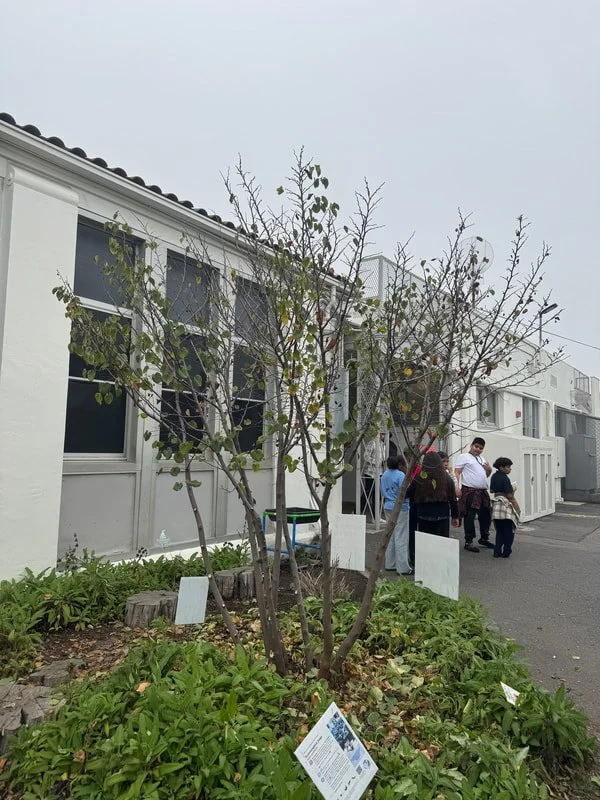
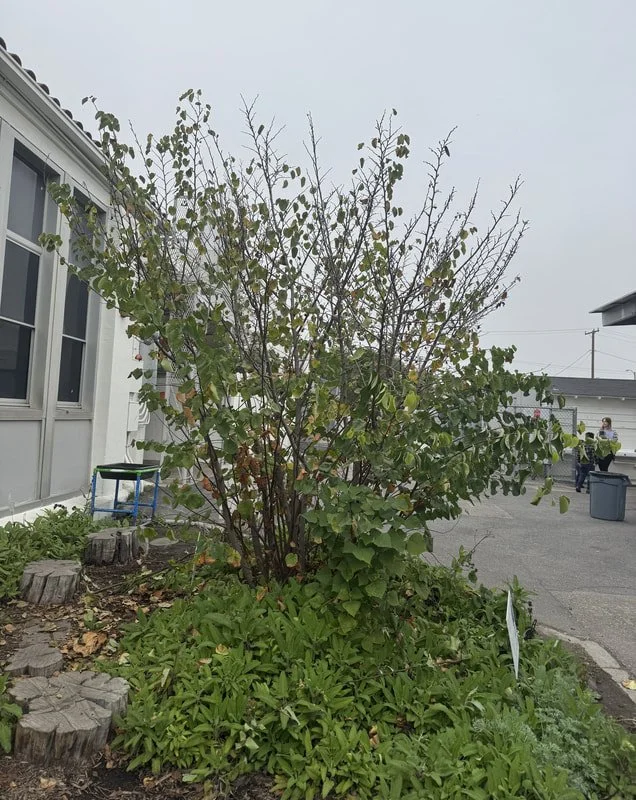
The sound of trimmers snipping and branches falling caught students’ attention, and they watched in horror (and fascination) while Ground Ed’s Green Team pruned a beloved Western Redbud near the school garden within the nature play area. Our team is intentional (and careful) when pruning, usually during the winter months, when colder temperatures signal the tree to drop its leaves, making it easier to see its structure and decide where to cut.
The tree in question had experienced a great deal of new growth throughout the year, giving it more of a shrub-like appearance, too bushy and slightly overgrown. Because it sits near the recess and lunch area, students had a front-row view of the pruning process. Their mixed reactions of shock, curiosity, and intrigue prompted a reassuring response.
“The tree is okay—we’re just giving it a fresh new haircut for the new year!”
The relatable response met with a few laughs, grins, and sighs of relief. Our team is aware of how this tree is deeply woven into students’ daily campus experiences. It’s where they collect heart-shaped leaves in the fall, hide behind during games of tag, and tie handwritten wishes for the year ahead. A season after its annual “haircut,” it returns, healthy and vibrant, its beautiful foliage once again on display.
This beloved Western Redbud is a great reminder that a little care goes a long way. And since winter is settling in around Southern California, we thought we’d share a few simple pruning tips and reminders to help keep your own garden happy, healthy, and ready for the seasons ahead.
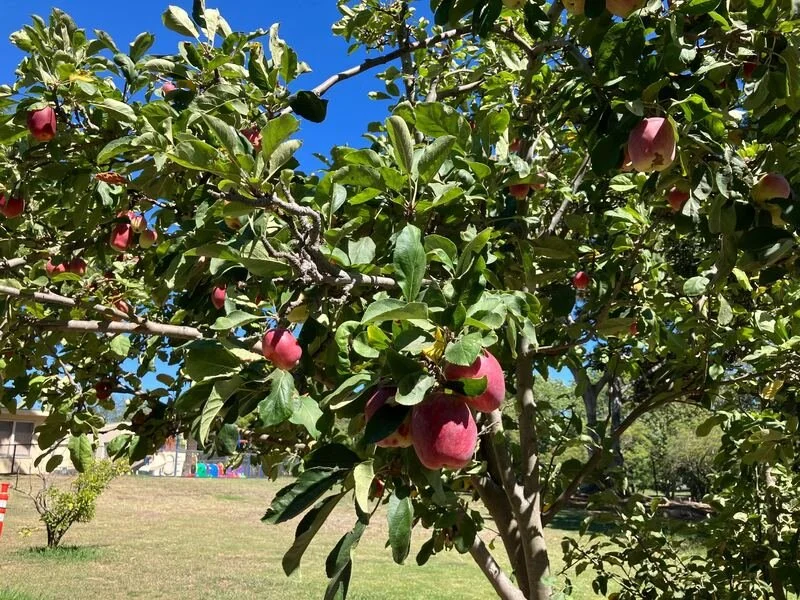
Traditionally winter is the time to prune roses and fruit trees, like apple, apricot, and cherry.
Plants like bougainvillea, hibiscus, citrus, and succulents should be lightly pruned, since major pruning can make them more vulnerable to cold damage.
Be sure to cut off any dead wood, crossing branches and thin, old, or spindly growth so your trees can produce as much fruit as possible.
A good rule of thumb: never remove more than 20–25% of a plant at one time.
After pruning, apply a layer of mulch around your plants, leaving a clearance of several inches between mulch and the plant base or tree trunk. Mulch is invaluable for protecting roots, holding moisture, and retaining the soil temperature.
Thoughtful winter pruning sets the stage for spring growth—both in the garden and in Ground Ed students’ understanding of how nature renews itself. It’s so important to share these care stages with them even outside of garden lesson day, so they can continue to build an appreciation for our environment and be dedicated stewards in the decades ahead.
For all of you who support and share about our program, thank you. You’re helping us continue to build more gardens and foster more curiosity, every day!
